
 0
0
 0
0
A storm-resistant roof is one of the most important upgrades a homeowner can invest in, especially in areas prone to strong winds, heavy rain, hail, or hurricanes. While many roofs look strong from the outside, storms often reveal weak points such as loose shingles, poor sealing, weak flashing, or improper fastening. Once a roof is damaged, water can quickly enter the home, leading to expensive repairs, mold growth, and structural issues. Building the best storm-resistant roof is not only about choosing the strongest materials—it also involves proper design, installation, ventilation, and maintenance. A well-built roof can withstand extreme weather, protect the home’s interior, and reduce long-term costs. This guide explains how to build a storm-resistant roof, including the best roofing materials, structural reinforcement techniques, waterproofing steps, and key mistakes homeowners should avoid when preparing for storms.
Choose the Right Roofing Material for Storm Protection
The first step in building a storm-resistant roof is selecting materials that can withstand harsh weather. Asphalt shingles are common, but not all shingles are equal. Impact-resistant shingles are designed to handle hail and debris better than standard options. Metal roofing is another excellent choice because it resists wind, sheds water quickly, and has a longer lifespan.
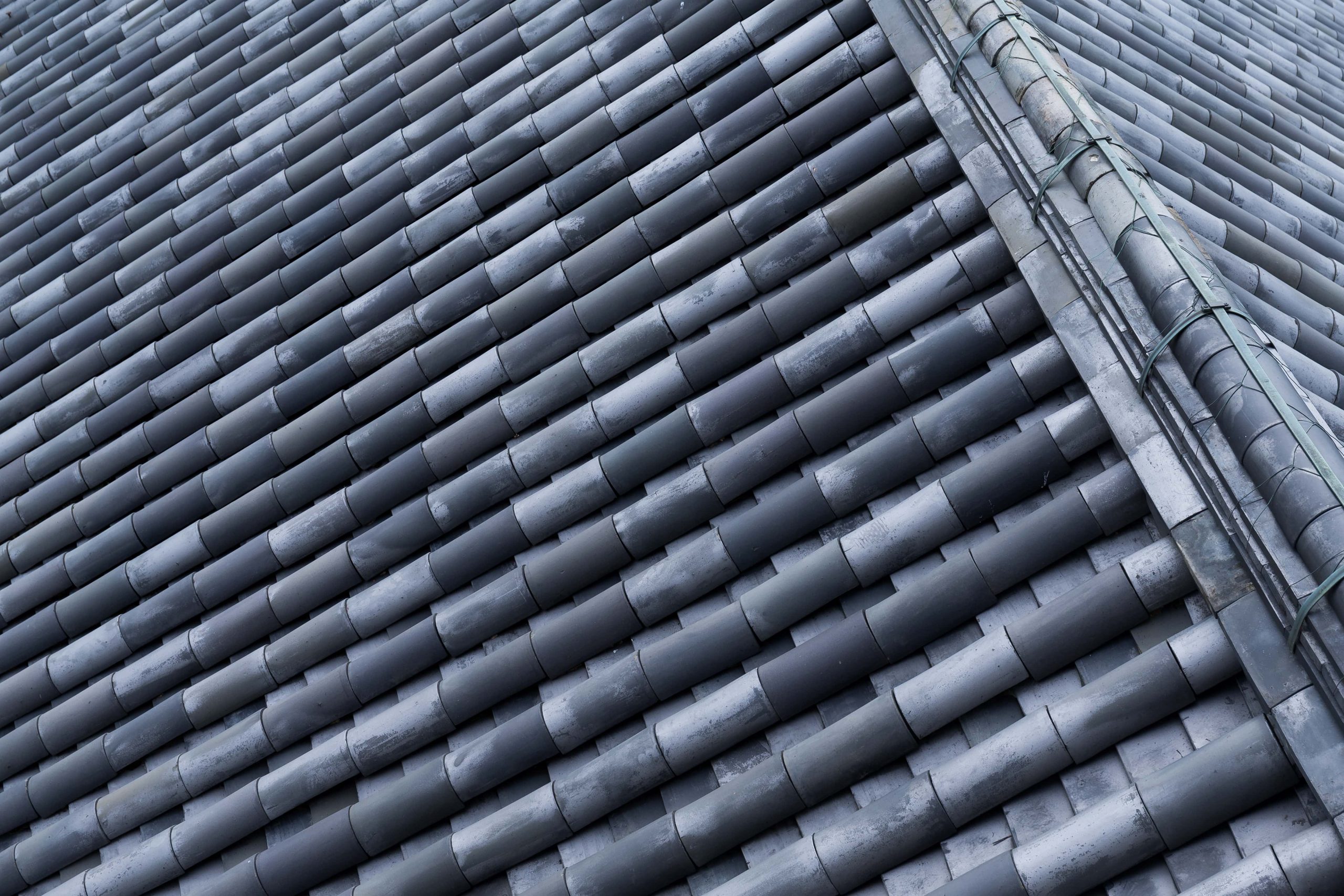
Clay and concrete tiles can be durable, but they may crack under hail or heavy impact. Slate is strong but expensive and heavy, requiring proper structural support. In many storm-prone regions, metal roofs and high-quality architectural shingles are among the most trusted options for long-term protection.
This aligns with storm-resistant roofing material choices for homeowners, because the material determines how well the roof holds up under pressure. A strong roof begins with a material that is tested for wind, impact, and water resistance. Choosing the right type reduces future damage and improves safety.
Strengthen the Roof Structure and Decking
A storm-resistant roof is not only about the surface layer. The roof structure underneath must also be strong. Roof decking is the wooden base where shingles or panels are installed. If decking is weak, water can penetrate quickly, and sections may lift during high winds.
Homeowners building or upgrading a roof should consider thicker decking materials and proper fastening methods. Using ring-shank nails instead of smooth nails can improve grip and reduce the risk of roof materials lifting during storms. Reinforcing roof trusses and using hurricane straps also strengthens the connection between the roof and the walls.
This supports structural roof reinforcement for extreme weather, because storms often cause failure at connection points. A roof is only as strong as its weakest link. Strengthening the framework and fastening systems creates a more secure roof that resists uplift and collapse.
Improve Wind Resistance With Smart Roof Design
Roof shape and design can significantly affect storm performance. Some roof shapes handle wind better than others. For example, hip roofs (sloped on all sides) are generally more wind-resistant than gable roofs, which have flat vertical ends that catch wind like a sail.
Roof pitch also matters. Extremely steep roofs may experience more wind uplift, while low-slope roofs can struggle with water drainage. The best storm-resistant roofs balance wind performance and drainage. Sealing edges properly, installing strong ridge vents, and using wind-rated shingles or panels also improves performance.
This aligns with wind-resistant roof design tips for storm zones, because design choices influence how wind flows around a home. A storm-resistant roof should be built with both materials and aerodynamics in mind. When design supports wind flow, damage becomes less likely even in severe storms.
Waterproofing, Flashing, and Leak Prevention
Storm damage is not always dramatic. Sometimes the roof looks fine, but water leaks in through small gaps. Flashing is one of the most important components of a storm-resistant roof. Flashing is installed around chimneys, vents, skylights, and roof edges to prevent water intrusion.
A high-quality underlayment is also essential. Synthetic underlayment provides stronger water resistance than traditional felt paper. In storm-prone areas, many builders also install ice and water shield membranes along roof edges and valleys, where leaks often begin. Proper sealing around roof penetrations prevents water from slipping under shingles or panels.
This fits into roof leak prevention methods for heavy storms, because waterproofing is what protects the home long-term. A roof does not have to collapse to cause major damage—small leaks can lead to mold, ceiling stains, and wood rot. Strong waterproofing prevents those hidden problems.
Maintenance and Upgrades That Keep Roofs Storm-Ready
Even the best roof needs maintenance to stay storm-resistant. Regular inspections help homeowners identify loose shingles, damaged flashing, clogged gutters, and cracked sealants. Small repairs done early prevent major damage later. Cleaning gutters is especially important, since blocked drainage causes water to back up under roofing materials.
Homeowners can also improve storm resistance through upgrades. Installing gutter guards, strengthening roof vents, and replacing old shingles with wind-rated materials increases protection. Tree trimming is another important step. Overhanging branches can break and crash onto the roof during storms, causing severe damage.
This aligns with modern approaches to home and garden living, because storm preparation is part of responsible homeownership. A storm-resistant roof is not only built once—it is maintained over time. Homeowners who stay proactive reduce repair costs and improve safety year-round.
Conclusion
Building the best storm-resistant roof requires more than choosing strong shingles or panels. It starts with selecting durable, wind-rated materials such as impact-resistant shingles or metal roofing, then strengthening the roof structure with proper decking, fasteners, and reinforced connections. Smart roof design also matters, since roof shape and pitch affect how wind and rain interact with the home. Waterproofing through high-quality underlayment, strong flashing, and sealed roof penetrations prevents leaks that can cause hidden damage over time. Finally, regular maintenance—such as inspections, gutter cleaning, and small repairs—keeps the roof storm-ready for years. A storm-resistant roof protects not only the house but also the people living inside it. When guided by modern approaches to home and garden living, homeowners can build roofs that withstand harsh weather, reduce long-term costs, and provide real peace of mind during storm season.


