
 0
0
 0
0
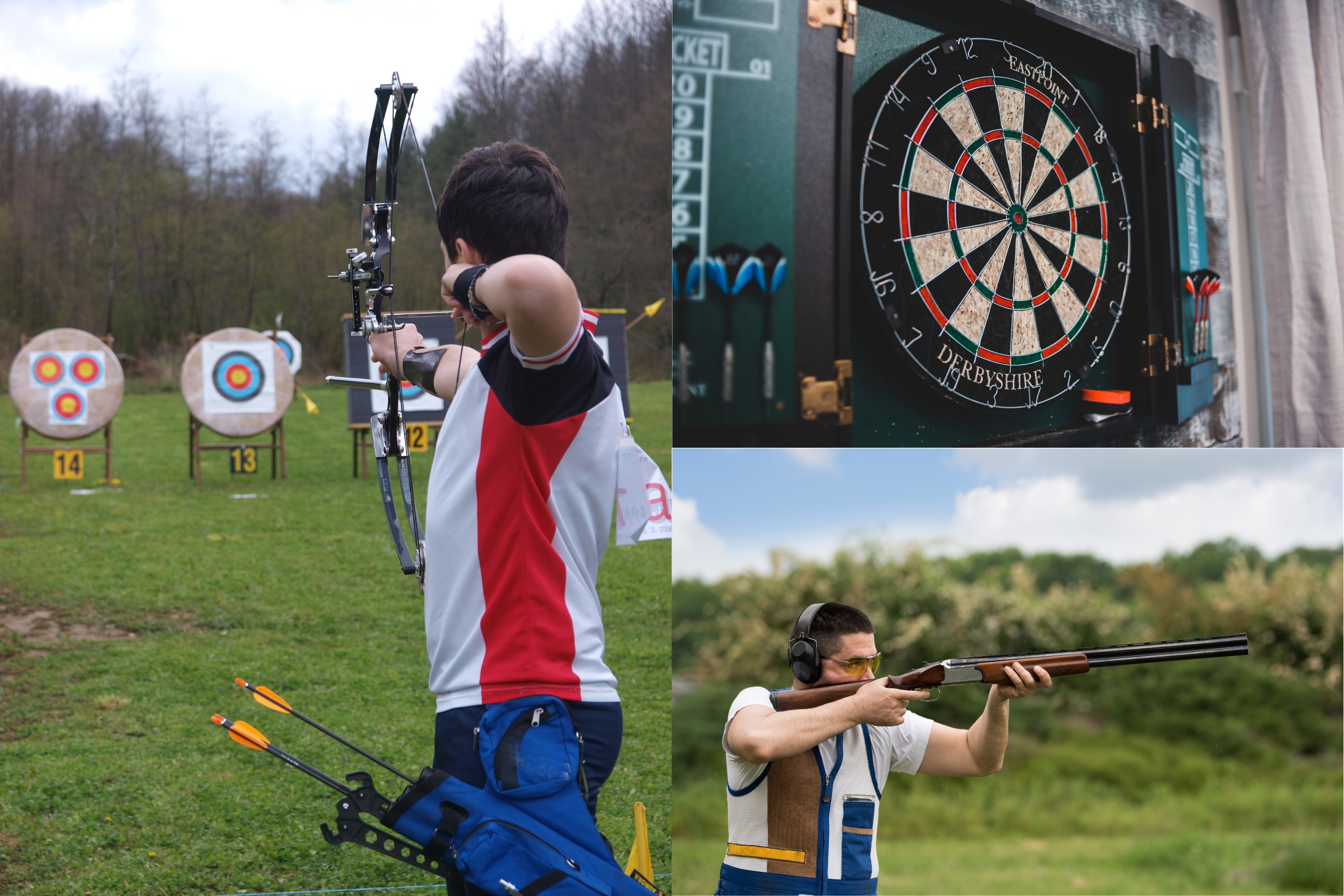
Target sports like archery, darts, and trap shooting are as much about physics and precision as they are about skill. Whether aiming an arrow at a distant bullseye, launching a dart toward a tiny segment on a board, or tracking a fast-moving clay target, understanding trajectory—the path an object takes through space—is essential. Trajectory affects accuracy, consistency, and performance across all of these disciplines. For beginners, the idea of trajectory can seem technical or intimidating. But at its core, trajectory is simply how gravity, angle, speed, and environmental factors influence the flight of an arrow, dart, or shot. By analyzing trajectory, athletes make adjustments that improve aim, reduce error, and boost competitive success. This article explores how trajectory works in archery, darts, and trap shooting, what factors influence it in each sport, and practical techniques athletes use to refine their skills. Whether you’re training for recreation or competition, mastering trajectory basics strengthens both performance and confidence in precision sports.
The Physics of Trajectory: How Gravity, Angle, and Speed Interact
At the heart of trajectory is a simple physical truth: every object in flight is influenced by gravity. After release, gravity pulls the object downward while its initial force propels it forward. This creates a curved path known as a parabolic trajectory. In target sports, athletes must understand how these forces interact to hit their mark consistently.
In archery, for example, arrows do not travel in a straight line—they rise slightly and then drop because of gravity. The archer adjusts the bow angle to compensate for this drop, a process called “aiming off.” Velocity also matters: arrows shot faster experience less drop over a given distance than slower ones. Environmental factors such as wind and air density further affect the path.
Similarly, in trap shooting, shot pellets spread and fall due to gravity almost immediately after leaving the barrel. Shooters learn to “lead” the target by aiming ahead of the clay’s path. Even small changes in angle or speed create significant changes in where the projectiles land. Understanding these physics basics is key to precision and accuracy in target sports performance.
Trajectory in Archery: Adjustment, Form, and Environmental Awareness
Archery is one of the clearest examples of how trajectory affects performance. An archer must judge distance, compensate for arrow drop, and account for wind drift. At short distances, trajectory effects are minimal, but as range increases, the arrow’s path becomes steeper. Archers often use aiming points or “reference points” on their sight pins to adjust for trajectory at different distances.
Environment plays a major role in archery trajectory. Wind can push an arrow sideways, and even light breezes can accumulate enough deviation over long distances to miss a target. Archers train to read wind cues like rustling grass or flowing flags to correct aim before release. Form consistency—stance, grip, draw length, and release—also ensures the arrow leaves the bow with predictable speed and direction.
These practices support competitive archery training techniques for trajectory mastery, because consistent form combined with environmental awareness improves reliability. Archers who understand how to manipulate their release angle and compensate for wind generally score higher and face fewer surprises in competition.
Trajectory in Darts: Force, Release, and Precision at Close Range
Although darts are played at much shorter distances than archery or trap shooting, trajectory still matters. The basic curved path exists even over a few meters because gravity begins affecting the dart immediately upon release. In darts, throwing technique—how hard and at what angle a player releases—is crucial.
Players must throw with consistent force and angle to ensure the dart follows the same path every time. Slight changes can cause darts to drop too soon or hit unintended segments of the board. Most players aim slightly above their target, knowing that gravity will pull the dart downward as it travels.
This aligns with precision throwing fundamentals for focused target sports, because trajectory influences every throw—even at short range. Practice routines that reinforce consistent release mechanics help players build muscle memory, which reduces trajectory errors. Darts players also learn to read their own release patterns to anticipate slight trajectory shifts from game to game.
Trap Shooting: Leading the Target and Predicting Trajectory in Motion
Trap shooting adds another layer of complexity: the target is moving. Clay targets are launched at varying angles and speeds, requiring shooters to anticipate where the target will be—not where it currently is. This is where trajectory analysis becomes dynamic rather than static.
In trap shooting, shooters “lead” the target by aiming ahead of its path based on its speed and direction. Because shot pellets spread after leaving the barrel, shooters also account for pellet dispersion patterns. Timing and rhythm are vital: firing too early or too late changes where the pellets intersect the target’s trajectory. Like archery and darts, form consistency and timing practice help shooters build an instinctive understanding of how trajectory works in motion.
This supports dynamic target engagement strategies for clay shooting, because shooters who can predict and adjust to changing target paths consistently hit more clays. That split-second anticipation comes from experience, repetition, and studying how objects travel through three-dimensional space.
Tools and Techniques That Help Athletes Analyze and Improve Trajectory
Across all target sports, there are tools and techniques athletes use to analyze trajectory and improve accuracy. Coaches often use video analysis to observe release mechanics and the path of projectiles. In archery, sight adjustments, rangefinders, and wind meters help refine aim. Darts players use consistent practice routines and measurable scoring patterns to track small improvements in release angle.
Trap shooters benefit from understanding shotgunning fundamentals like choke selection, pellet spread, and leading distance. Dry firing practice, mental visualization, and simulation exercises reinforce good habits without physical strain.
These approaches align with advanced trajectory training methods for precision sports, emphasizing measurable feedback and repetition. The more data athletes collect on their own performance, the easier it becomes to fine-tune their mechanics and understand how trajectory affects outcomes in real situations.
Conclusion
Analyzing trajectory is a foundational skill in precision target sports such as archery, darts, and trap shooting. Though each sport is different in distance, equipment, and execution, they all rely on understanding how forces like gravity, angle, speed, and environment affect the path of a projectile. In archery, trajectory adjustments help archers compensate for arrow drop and wind. In darts, even short-range throws require precise release and angle awareness to counter gravity’s subtle influence. In trap shooting, shooters must dynamically predict the path of moving targets and lead them effectively. Across all these sports, consistent mechanics, environmental awareness, and dedicated practice bring measurable improvements. Tools such as video analysis, range finders, and repetition drills turn theoretical understanding into competitive advantage. When guided by precision and accuracy in target sports performance, athletes can transform trajectory analysis from a concept into a practical advantage on the field, board, or range. Mastery of trajectory not only improves accuracy—it builds confidence, consistency, and long-term success.


