
 0
0
 0
0
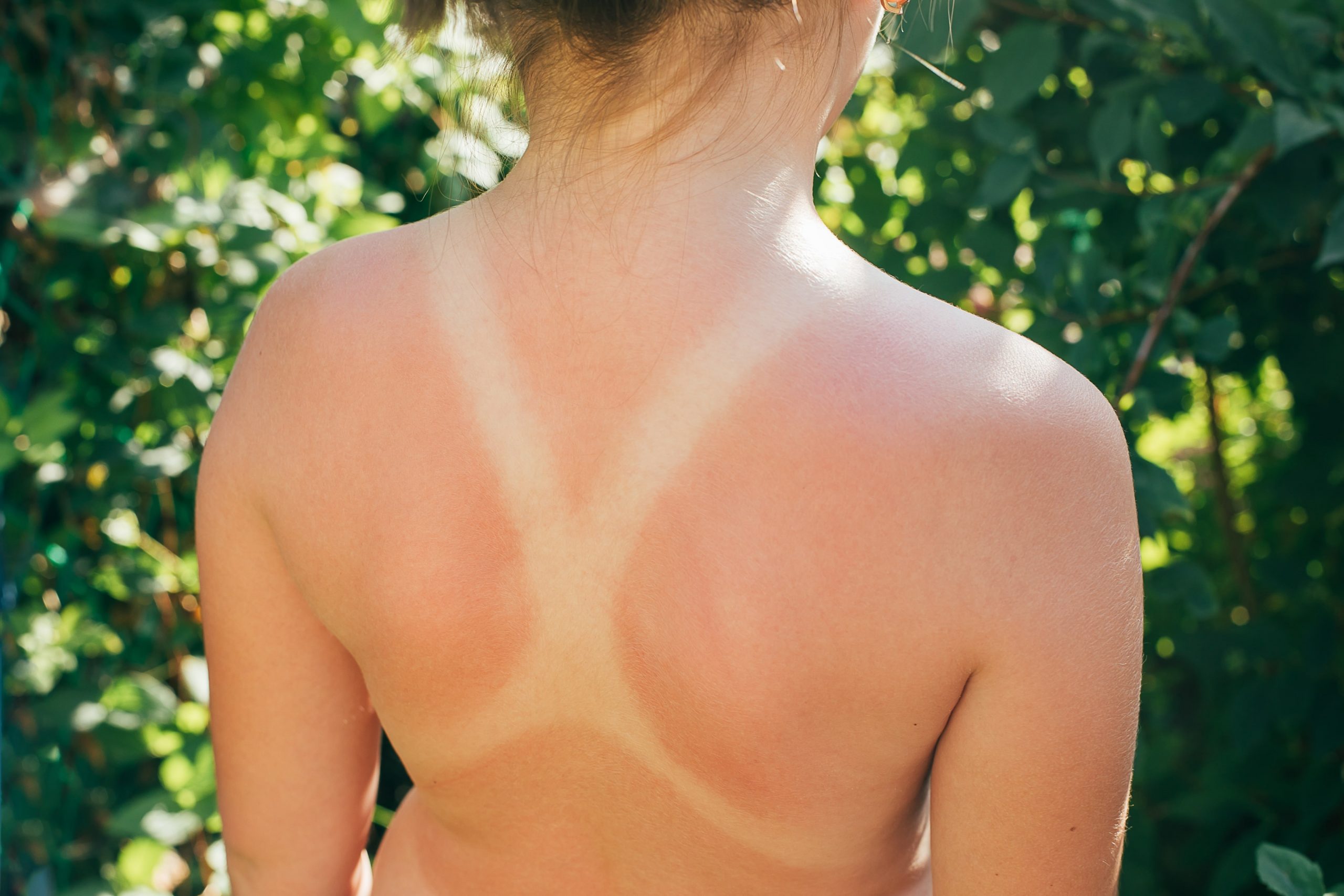
Sunburn is one of the most common skin problems, especially after spending too much time outdoors without proper protection. It happens when ultraviolet (UV) rays damage the skin, causing redness, pain, swelling, and sometimes peeling. Mild sunburn may feel like simple irritation, but more serious burns can cause intense discomfort, dehydration, and long-term skin damage. Many people look for quick ways to cure sunburn, especially when the burning sensation makes it hard to sleep or wear clothing comfortably. The good news is that sunburn can be treated at home in many cases, and the skin can heal faster when the right steps are taken early. However, sunburn is not something to ignore. Repeated sunburn increases the risk of premature aging and skin cancer over time. This guide explains how to cure sunburn safely, including fast relief methods, healing tips, and what to avoid while the skin recovers.
Cool the Skin Immediately to Reduce Heat and Inflammation
The first step in treating sunburn is cooling the skin as soon as possible. Sunburn holds heat in the skin, which increases inflammation and pain. A cool shower or cool bath can help reduce the burning sensation. The water should be cool, not ice-cold, because extremely cold water can shock the skin and make irritation worse.
Cold compresses are also effective. A clean cloth soaked in cool water can be placed on the burned area for 10 to 15 minutes at a time. This can be repeated throughout the day to reduce swelling and discomfort. Cooling the skin early helps reduce how severe the burn becomes.
This aligns with fast sunburn relief methods for irritated skin, because cooling is the quickest way to calm inflammation. Many people focus on lotions first, but cooling should come before moisturizing. It helps reduce pain and gives the skin a better chance to recover faster.
Hydrate the Body and Moisturize the Skin the Right Way
Sunburn pulls moisture away from the skin and can also dehydrate the body. Drinking extra water is essential because the body is repairing damaged tissue and needs fluids. Dehydration can make sunburn symptoms worse and may cause headaches, dizziness, or fatigue.
Moisturizing the skin is also important, but timing matters. After cooling the skin, a gentle moisturizer helps prevent dryness and reduces peeling. Aloe vera gel is one of the most popular options because it feels soothing and helps calm irritation. Fragrance-free lotions also work well, especially for sensitive skin.
However, certain products should be avoided. Petroleum-based ointments can trap heat, making the burn feel worse. Heavily scented lotions can irritate the skin. The best approach is using light, gentle moisture consistently throughout the healing process.
This fits into safe skincare tips for sunburn healing, because hydration and moisture are essential for recovery. Sunburn is not only surface redness—it is real skin damage, and moisture helps the skin repair more smoothly.
Reduce Pain and Swelling With Simple At-Home Treatments
Sunburn pain can range from mild discomfort to intense burning. Over-the-counter anti-inflammatory medications, such as ibuprofen, can help reduce swelling and pain. These medications work best when taken early, since they reduce inflammation inside the body, not just on the skin.
Natural options may also provide comfort. Oatmeal baths are a common remedy because oatmeal helps calm itching and irritation. Plain yogurt or milk compresses are also used by some people, since the cool temperature and proteins may help soothe the skin. While these are not medical treatments, they can offer temporary comfort when used safely.
This aligns with home remedies for sunburn pain relief, because many people want natural solutions. The key is keeping treatments gentle and avoiding anything harsh. Sunburned skin is sensitive, and aggressive “fixes” often cause more irritation instead of relief.
What to Avoid While Sunburn Is Healing
Many sunburn problems get worse because people accidentally irritate the skin during healing. One of the biggest mistakes is scrubbing peeling skin. Peeling is part of the natural healing process, and pulling skin off early can cause infection, scarring, and longer recovery time.
It is also important to avoid further sun exposure. Sunburned skin is already damaged, and additional UV rays can deepen the burn. Wearing loose clothing, staying indoors, and using shade are essential until the skin is fully healed. Hot showers should also be avoided, as heat increases irritation and dryness.
Some products should never be applied to sunburn. Alcohol-based sprays, perfumes, and strong exfoliants can worsen inflammation. Even some acne treatments or harsh soaps may cause stinging and damage.
This supports sunburn recovery mistakes to avoid, because healing is not only about what to do—it is also about what not to do. Protecting the skin during recovery prevents complications and reduces discomfort.
When Sunburn Becomes Serious and Needs Medical Help
Most sunburn cases heal within a few days to a week, but some burns are severe and require medical attention. Signs of serious sunburn include blistering over a large area, intense swelling, fever, chills, nausea, dizziness, or confusion. These symptoms may indicate sun poisoning, which is a serious condition that can cause dehydration and systemic illness.
Blisters should not be popped, as they protect the skin underneath. If blisters break naturally, the area should be kept clean and protected to prevent infection. People who experience repeated severe sunburn should also consider speaking with a healthcare provider about skin health and sun protection habits.
This aligns with modern approaches to health and beauty wellness, because skin care includes knowing when home remedies are not enough. Sunburn is preventable, but when it becomes severe, professional care is the safest option.
Conclusion
Curing sunburn starts with fast action and gentle care. Cooling the skin immediately helps reduce heat and inflammation, while hydration supports the body’s recovery from the inside. Moisturizing with aloe vera or fragrance-free lotion prevents dryness and helps reduce peeling, and pain relief methods such as anti-inflammatory medication or soothing baths can make healing more comfortable. Avoiding harsh products, scrubbing, and further sun exposure is essential, since damaged skin needs time to repair naturally. Most sunburn heals within a week, but severe burns with blistering, fever, or dizziness may require medical attention. Sunburn is not only uncomfortable—it is also a sign of real skin damage that can affect long-term health if it happens repeatedly. When guided by modern approaches to health and beauty wellness, sunburn recovery becomes safer, smoother, and more effective, helping skin heal properly and reducing the risk of future damage.


