
 0
0
 0
0
Protecting the ocean and sea is no longer just an environmental topic—it is a daily responsibility that affects everyone. Oceans regulate climate, provide oxygen, support marine life, and supply food for billions of people worldwide. However, ocean ecosystems are under serious threat from plastic pollution, overfishing, oil spills, chemical waste, and climate change. Many people assume protecting the ocean requires large-scale government action, but individual choices also play a powerful role. Small actions done consistently by millions of people can reduce waste, protect wildlife, and slow down environmental damage. From reducing plastic use to supporting sustainable seafood and joining local cleanup efforts, there are many realistic ways to help. This guide explains how people can protect the ocean and sea through practical steps, responsible habits, and community support. These strategies are simple, affordable, and effective for anyone who wants to contribute to a cleaner, healthier ocean.
Reduce Plastic Waste and Single-Use Products
Plastic pollution is one of the biggest threats to oceans. Plastic bags, bottles, wrappers, straws, and packaging often end up in rivers and waterways, eventually reaching the sea. Once plastic enters the ocean, it breaks down into microplastics that harm fish, birds, and marine mammals. These microplastics also enter the food chain, affecting human health as well.
One of the simplest ways to protect the ocean is reducing single-use plastic. Reusable water bottles, shopping bags, food containers, and metal straws help cut down waste. Choosing products with less packaging also makes a difference. Even switching to refillable household items, like soap or cleaning products, reduces the amount of plastic that ends up in landfills and waterways.
This aligns with eco-friendly care choices for a cleaner ocean, because waste reduction is one of the most direct ways to help. Protecting the ocean begins at home, through daily habits that reduce the flow of plastic into the environment.
Practice Responsible Waste Disposal and Recycling Habits
Many people believe they are helping the ocean simply by throwing trash away, but waste systems are not always perfect. Trash can escape during storms, overflow from landfills, or be carried into waterways. Recycling also becomes less effective when people place non-recyclable items into recycling bins, which contaminates the entire batch.
Proper waste disposal is essential. People can help by separating recyclables correctly, avoiding littering, and disposing of hazardous items like batteries, electronics, and chemicals through the right channels. Composting food waste is also helpful because it reduces landfill overflow and methane emissions, which contribute to climate change.
This supports responsible lifestyle habits for environmental care, because ocean protection is not only about beaches. It is about how communities manage waste daily. Cleaner disposal systems and better recycling habits reduce pollution before it reaches the sea.
Support Sustainable Seafood and Responsible Fishing
Overfishing is a major threat to ocean ecosystems. When fish populations are harvested too quickly, marine life loses balance. Overfishing also harms coral reefs, reduces biodiversity, and affects communities that depend on fishing for survival. Many ocean species are also harmed through bycatch, where unwanted animals like turtles and dolphins are caught accidentally.
Consumers can help by choosing sustainably sourced seafood. This includes buying from trusted suppliers, supporting local fishermen who follow regulations, and choosing seafood options that are not endangered or overharvested. Reducing seafood waste also matters, as wasted seafood increases demand unnecessarily.
This aligns with sustainable living choices for ocean protection, because food decisions directly impact marine ecosystems. Supporting responsible seafood is one of the most practical ways to protect the ocean while still enjoying seafood as part of a healthy diet.
Join Cleanups and Protect Coastal Areas
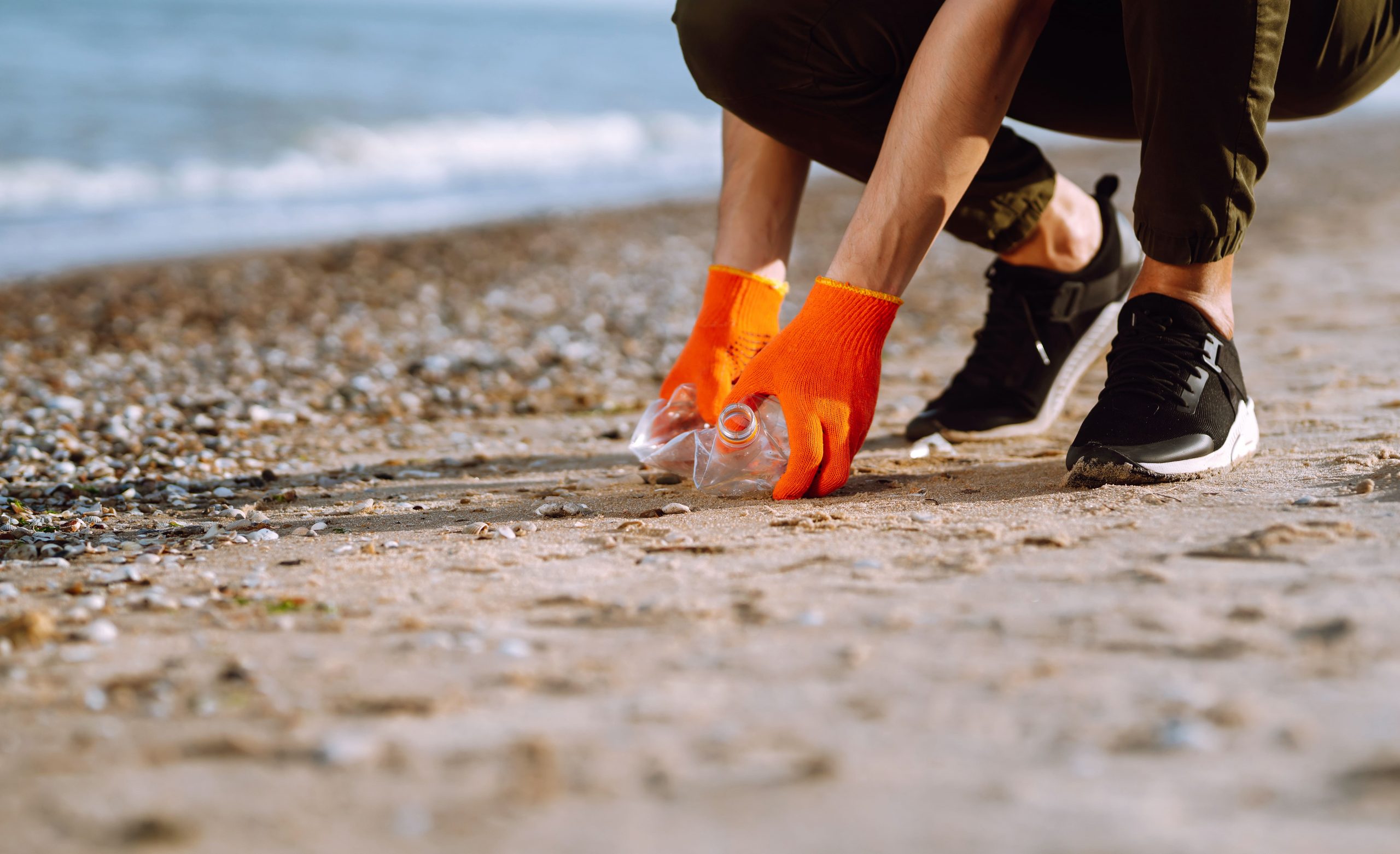
Ocean protection becomes more effective when communities work together. Beach cleanups, river cleanups, and local environmental programs reduce pollution before it spreads. Even small cleanup efforts can remove large amounts of plastic, fishing lines, and harmful debris that endanger marine animals.
Protecting coastal areas also means respecting natural habitats. People should avoid disturbing coral reefs, mangroves, and marine wildlife while visiting beaches or coastal destinations. Using reef-safe sunscreen is another helpful action, since some chemical sunscreens damage coral and marine life. Responsible tourism helps protect fragile ecosystems rather than harming them.
This fits into community-based care actions for ocean conservation, because environmental change grows faster through teamwork. Individual actions matter, but collective effort creates bigger results. Cleanups also raise awareness and inspire others to protect the sea.
Reduce Carbon Footprint to Protect Ocean Health
Climate change affects oceans through rising temperatures, coral bleaching, and increasing ocean acidity. Warmer oceans disrupt marine ecosystems and cause stronger storms. Coral reefs, which support countless species, are especially vulnerable. Ocean acidification also harms shellfish and coral by weakening their ability to build protective structures.
Reducing carbon footprint helps protect ocean health long-term. People can do this by using less energy, choosing public transportation when possible, reducing food waste, and supporting renewable energy initiatives. Even small changes, like using energy-efficient appliances or reducing unnecessary consumption, contribute to lower emissions.
This supports modern approaches to pet gifting and daily care, because environmental care is part of responsible living. A healthier planet supports healthier communities, including pets and families. Ocean protection is not separate from daily life—it is connected to the way people live, consume, and care for the world around them.
Conclusion
Protecting the ocean and sea requires both personal responsibility and community action. Reducing plastic waste, recycling correctly, and disposing of harmful materials properly prevents pollution from reaching marine environments. Supporting sustainable seafood helps protect fish populations and keeps ocean ecosystems balanced. Community cleanups and responsible coastal behavior reduce debris and protect wildlife habitats, while lowering carbon footprint supports long-term ocean health by slowing climate-related damage. The ocean is essential to life on Earth, and its health affects climate, food supply, and biodiversity. While large-scale solutions matter, everyday choices also create powerful impact when practiced consistently. When guided by modern approaches to eco-friendly care and conscious living, ocean protection becomes something anyone can participate in. Simple actions done regularly can protect marine life, reduce pollution, and help ensure that oceans remain clean, vibrant, and alive for future generations.


