
 0
0
 0
0
Selling aquatic products is a profitable business opportunity because seafood and water-based goods remain in high demand worldwide. Many consumers regularly buy fish, shellfish, seaweed, and other aquatic products for cooking, health, and lifestyle needs. Restaurants, supermarkets, food markets, and online buyers all rely on consistent suppliers. Beyond food, aquatic products also include items such as aquarium fish, aquatic plants, and fishing-related goods. The key to success is choosing products that match local demand, supply availability, and storage capabilities. Some aquatic products offer high profit margins but require strict cold storage and food safety compliance. Others are easier to handle and sell but require strong marketing and customer trust. This guide explores different aquatic products to sell, including fresh seafood, processed goods, specialty items, and non-food aquatic products. It also explains what makes certain aquatic products more profitable and how entrepreneurs can choose the right items for their business.
Fresh Fish Products: The Most Common and Consistent Sellers
Fresh fish is one of the most popular aquatic products to sell because it has steady demand in most communities. Many buyers prefer fresh fish for daily meals, restaurant cooking, and family events. Popular fish products often include tilapia, milkfish, catfish, salmon, tuna, mackerel, and sardines, depending on the region.
Fresh fish can be sold whole, cleaned, or filleted. Some sellers increase profit by offering additional services such as cleaning, slicing, or packaging. However, fresh fish requires strong cold storage, fast turnover, and strict hygiene standards. Without proper handling, fish can spoil quickly, causing waste and loss.
This aligns with profitable seafood products for small business, because fresh fish is a consistent seller. It is a reliable starting point for many aquatic product businesses. The main challenge is maintaining quality, but when handled well, fresh fish can build a strong customer base quickly.
Shellfish and Crustaceans: High Demand With Higher Value
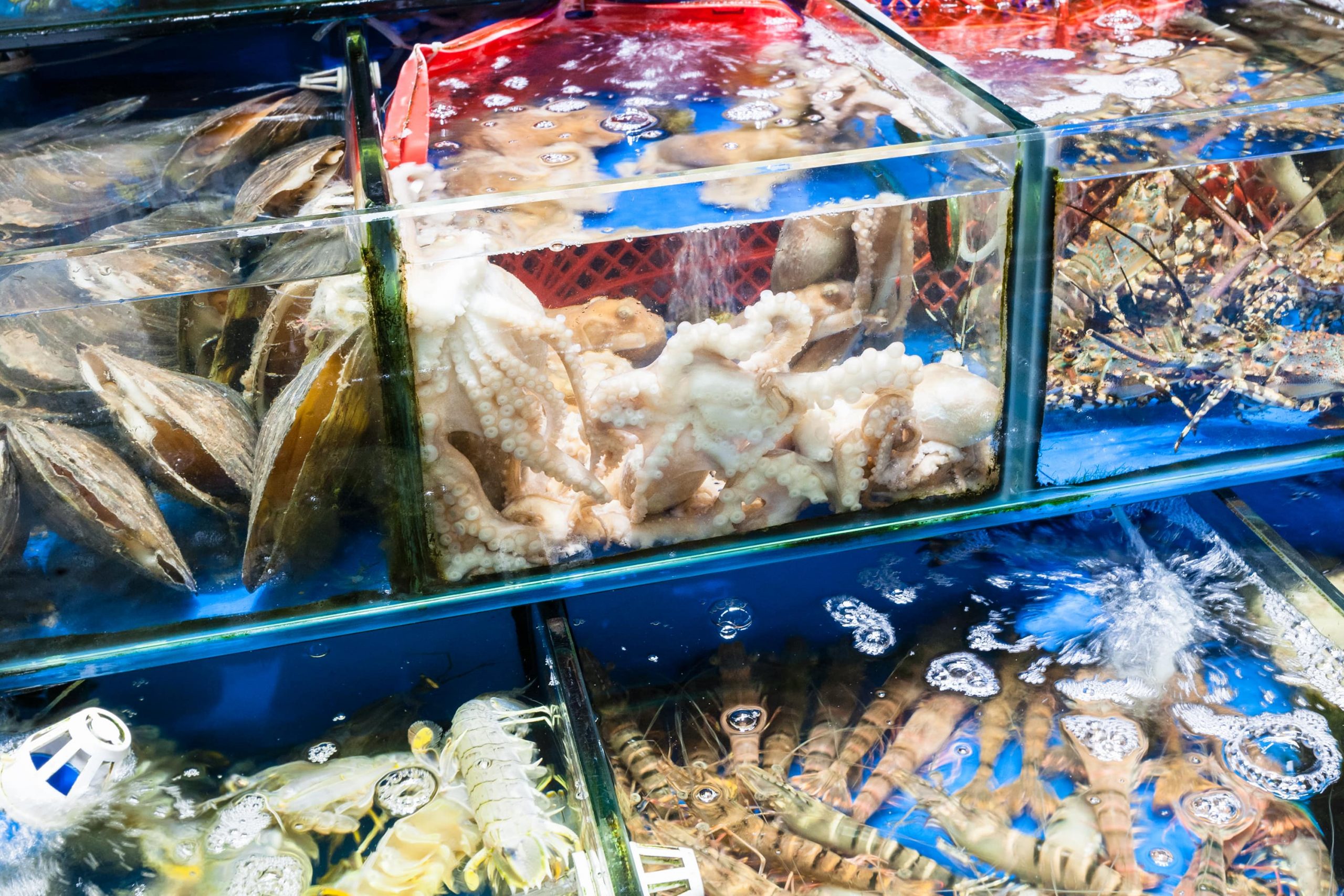
Shellfish and crustaceans are often more profitable than basic fish products because they are considered premium items. These include shrimp, crab, lobster, mussels, clams, oysters, and scallops. Many customers buy shellfish for special occasions, restaurant meals, and high-end cooking.
Shrimp is one of the best-selling shellfish products because it is widely used and available in different sizes and forms. Crabs and lobsters often have higher profit margins, but they require careful handling and may need live storage systems. Shellfish also comes with food safety risks if not stored properly, so compliance and freshness are critical.
This supports high-value aquatic products to sell for profit, because shellfish can generate strong income when demand is steady. For businesses with proper storage and sourcing, shellfish is a powerful product category that attracts premium buyers and restaurants.
Processed Seafood: Smoked, Dried, Frozen, and Packaged Goods
Processed seafood products offer an excellent opportunity for sellers who want longer shelf life and easier distribution. These products include dried fish, smoked fish, salted fish, canned seafood, frozen fillets, fish balls, and seafood snacks. Processed items are popular because they are convenient and can be stored longer than fresh seafood.
Frozen seafood is especially profitable for suppliers selling to supermarkets, online customers, or restaurants. Smoked fish and dried fish also appeal to customers who prefer traditional flavors or long-lasting pantry food. Packaged seafood products can be branded, labeled, and sold as premium items, which increases value.
This aligns with seafood business product ideas with long shelf life, because processed goods reduce spoilage risk. They also allow businesses to reach customers beyond local markets through delivery and online selling. For entrepreneurs who want scalable products, processed seafood is often a smart direction.
Seaweed and Aquatic Plants: Growing Demand in Food and Wellness
Seaweed has become one of the fastest-growing aquatic product markets. It is used in soups, snacks, sushi, salads, and health-focused foods. Popular seaweed products include nori, kelp, wakame, and sea moss. Some seaweed products are sold dried, while others are sold fresh or processed into powders and gels.
Aquatic plants are also sold for aquariums, ponds, and decorative water gardens. Many aquarium owners buy live aquatic plants such as anubias, java fern, and water lettuce. These products require different handling compared to seafood, but they can be profitable with the right customer base.
This fits into aquatic plant and seaweed selling opportunities, because demand is growing in both food and lifestyle markets. Seaweed products are especially attractive because they are lightweight, easy to package, and can be sold online. This makes them a strong option for modern sellers.
Non-Food Aquatic Products: Aquarium Fish, Bait, and Fishing Supplies
Aquatic products are not limited to seafood. Many businesses profit by selling aquarium fish, ornamental shrimp, and freshwater species for pet owners. This includes popular fish such as guppies, goldfish, bettas, and cichlids. Aquarium products often lead to repeat customers because buyers also purchase food, tanks, filters, and decorations.
Live bait is another strong product category. Many fishermen buy worms, minnows, shrimp bait, and other live bait products regularly. Fishing-related goods such as nets, hooks, lines, and accessories can also be sold alongside aquatic products, especially in coastal or fishing communities.
This supports modern pathways for business growth and financial success, because non-food aquatic products expand business income streams. They also reduce dependence on seafood markets alone. A business that sells both food and non-food aquatic products can build a stronger customer base and more stable profits.
Conclusion
Selling aquatic products can be a profitable business when entrepreneurs choose the right items based on market demand, storage capacity, and sourcing reliability. Fresh fish remains one of the most consistent sellers, while shellfish and crustaceans offer higher value and stronger profit margins. Processed seafood products such as frozen, smoked, or dried goods provide longer shelf life and easier distribution, making them ideal for scaling. Seaweed and aquatic plants are also growing in popularity, especially in wellness and lifestyle markets. Non-food aquatic products such as aquarium fish, bait, and fishing supplies offer additional income streams and attract repeat customers. The best aquatic product businesses focus on quality, cleanliness, safe handling, and customer trust. When guided by modern pathways for business growth and financial success, aquatic product selling becomes a scalable business that can grow from local markets into larger distribution and long-term profitability.


