
 0
0
 0
0
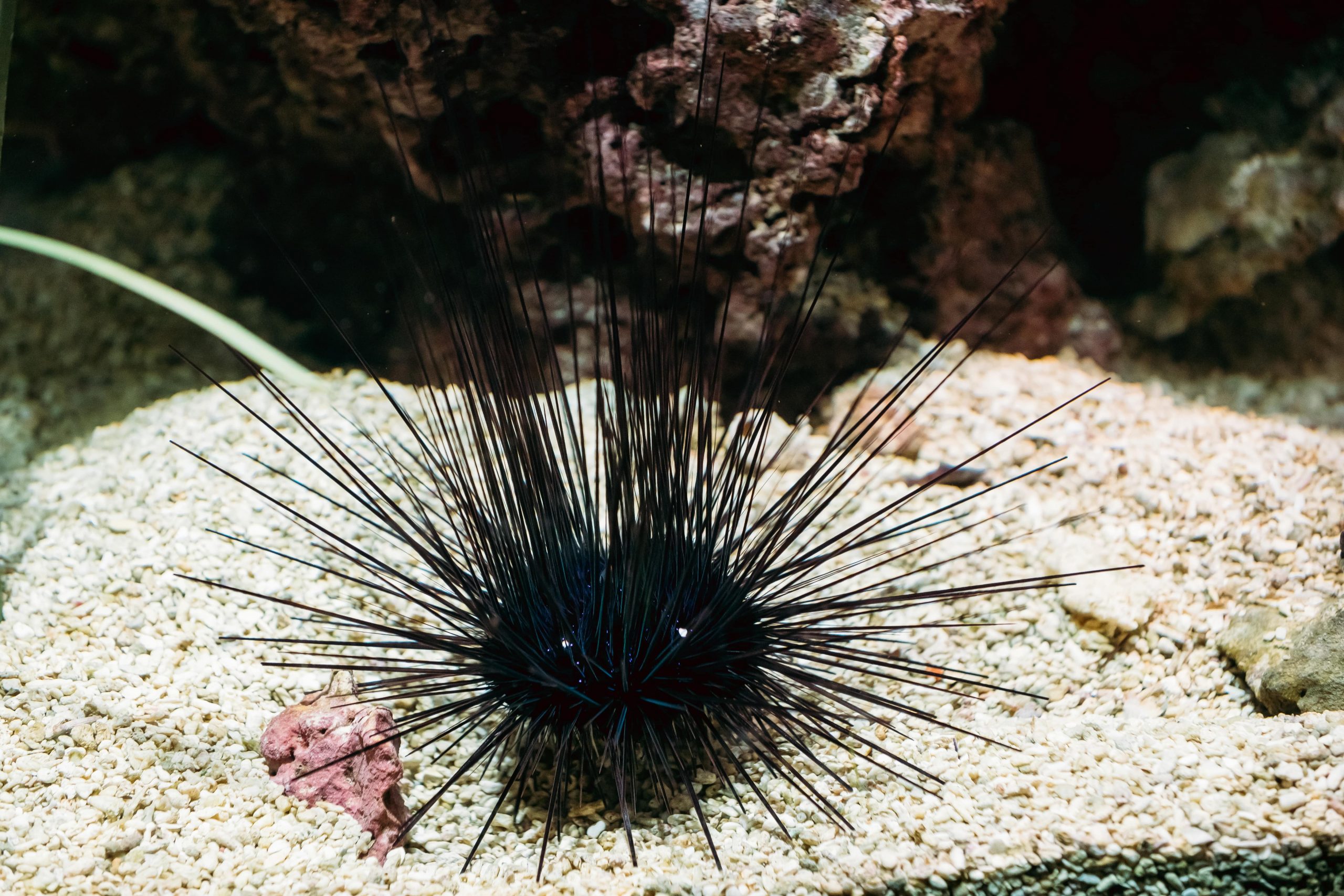
Sea urchin stings are a painful and surprisingly common injury, especially for swimmers, snorkelers, divers, and beach travelers. Sea urchins are covered in sharp spines that can puncture the skin when stepped on or touched. These spines may break off inside the body, causing swelling, redness, and long-lasting discomfort if not treated properly. Some sea urchins can also inject mild venom, which adds burning pain and inflammation. Many people search for a “cure” because the sting can feel intense, and walking or using the affected area becomes difficult. The good news is that most sea urchin stings can be treated safely with proper first aid and home care. However, some cases require medical attention, especially if spines remain embedded or infection develops. This guide explains how to treat sea urchin stings, what works for pain relief, and what to do for safe healing.
What Happens During a Sea Urchin Sting
A sea urchin sting happens when the spines pierce the skin. The spines are brittle and can snap easily, leaving fragments inside the wound. This is one reason sea urchin stings often feel worse than a typical puncture injury. Even after the initial pain fades, embedded spines can cause ongoing soreness, swelling, and sensitivity.
Some species also release venom, which may cause additional burning or throbbing. Most people experience localized symptoms like redness, swelling, and pain. However, in rare cases, a person may develop more serious reactions such as nausea, weakness, dizziness, or breathing problems.
This aligns with safe first aid for sea urchin sting treatment, because understanding the injury helps people respond correctly. The goal is not only to reduce pain, but also to prevent complications. Treating a sea urchin sting properly in the first few hours often makes healing faster and safer.
Immediate First Aid: What to Do Right Away
The first step is getting out of the water safely. After that, the wound should be rinsed with clean water to remove sand and debris. If spines are visible and sticking out, they should be removed carefully using tweezers. This should only be done when the spine can be pulled out easily. If it breaks or is deeply embedded, forcing it out may cause more damage.
Soaking the affected area in hot water is one of the most effective first-aid treatments. Heat helps reduce pain and may help neutralize venom in some marine stings. The water should be hot but not scalding. A soak of 30 to 90 minutes can significantly reduce discomfort, and it can be repeated if pain returns.
This supports fast pain relief methods for sea urchin injuries, because hot water soaking is one of the most reliable ways to reduce pain quickly. Many people focus on creams first, but heat therapy often provides the fastest comfort in early treatment.
How to Remove Embedded Spines Safely
Removing sea urchin spines is one of the hardest parts of treatment. If spines are shallow and visible, tweezers can work. For very small spine fragments, soaking may soften the skin and make removal easier. Some people use a needle sterilized with alcohol to gently lift fragments, but this should be done carefully to avoid infection.
If spines are deeply embedded, it is often safer to leave them and seek medical help. In many cases, the body will naturally push tiny fragments out over time. However, large fragments or spines near joints can cause serious inflammation and may require professional removal.
This aligns with proper wound care for sea urchin stings, because spine removal affects healing speed. Leaving large fragments inside can lead to infection, ongoing pain, or long-term swelling. The safest approach is removing what can be removed easily and getting medical help for deeper spines.
Home Care After the Sting: Cleaning, Healing, and Infection Prevention
After initial treatment, the wound should be cleaned gently with soap and water. Applying an antiseptic can help reduce infection risk. The area should be kept dry and covered if necessary, especially if the wound is on the foot. Walking barefoot while healing increases the risk of bacteria entering the puncture site.
Pain and swelling can be reduced with over-the-counter anti-inflammatory medication such as ibuprofen. Elevating the foot or hand can also reduce swelling. The wound should be monitored for signs of infection such as increasing redness, warmth, pus, fever, or worsening pain after the first day.
This fits into home treatment tips for marine sting recovery, because healing requires consistent care. Sea urchin stings often look minor, but puncture wounds can become infected easily. Proper cleaning, protection, and monitoring are essential for safe recovery.
When to See a Doctor for a Sea Urchin Sting
While many sea urchin stings heal at home, some cases require medical attention. A doctor should be consulted if spines remain deeply embedded, the sting is near a joint, pain remains severe after hot water soaking, or the person cannot walk normally. Medical care is also important if swelling spreads or infection signs appear.
A person should also seek help if they experience symptoms like nausea, dizziness, weakness, chest tightness, or breathing difficulty. These may indicate a stronger reaction to venom or an allergic response. People with diabetes, immune system conditions, or poor circulation should be extra cautious because infections can become serious faster.
This supports modern approaches to health and beauty wellness, because proper care includes knowing when professional treatment is needed. Quick medical help can prevent long-term complications and improve recovery outcomes.
Conclusion
A sea urchin sting can be painful, but most cases improve quickly when treated properly. Immediate first aid such as rinsing the wound, removing visible spines carefully, and soaking the area in hot water can reduce pain and limit inflammation. Proper spine removal and wound care are essential for preventing infection and avoiding long-term discomfort. After the sting, keeping the area clean, using antiseptic, and monitoring symptoms helps support safe healing. Medical attention may be needed if spines remain embedded, pain becomes severe, or infection develops. While sea urchin stings are common in coastal areas, they should not be ignored, especially when walking becomes difficult or swelling spreads. When guided by modern approaches to health and beauty wellness, sea urchin sting treatment becomes safer, faster, and more effective, helping the skin heal properly while reducing the risk of complications.


