

 0
0
 0
0
The digital era has reshaped countless industries, and the adult services sector has evolved alongside these technological changes. With the growth of online platforms and digital communication, individuals working in companionship and entertainment services now have new ways to present their work, manage bookings, and connect with potential clients. These developments have introduced greater organisation and independence within an industry that was once largely dependent on agencies and informal networks.
Today, adult work is commonly used as a broad term describing a range of professional services within the adult entertainment and companionship sector. Many professionals now rely on specialised online directories where they can create profiles, outline services, and communicate directly with interested clients. These platforms provide a structured environment that supports both independence and discretion.
Understanding how this industry operates in the modern digital landscape provides valuable insight into professional practices, communication standards, and the role technology plays in shaping contemporary service-based careers.
The Evolution of Adult Services Over Time
Adult services have existed in many forms throughout history, but the way they operate has changed significantly over the years. In earlier decades, individuals working in the sector often depended on agencies or personal networks to find clients and organise bookings. These systems provided structure but often limited the independence of those involved.
With the expansion of digital technology, new opportunities emerged for individuals to manage their services more independently. Online platforms now allow professionals to advertise services directly, removing the need for traditional intermediaries in many cases. This shift has allowed individuals to take greater control over how they present themselves and organise their schedules.
Profiles on these platforms typically include photographs, descriptions, and availability details. Such information helps potential clients understand expectations before initiating contact, making the process more transparent.
This evolution reflects a broader trend in modern work environments where professionals increasingly operate as independent service providers. The shift toward digital platforms has introduced new levels of flexibility and organisation that continue to shape the industry today.
The Role of Online Platforms in Adult Work
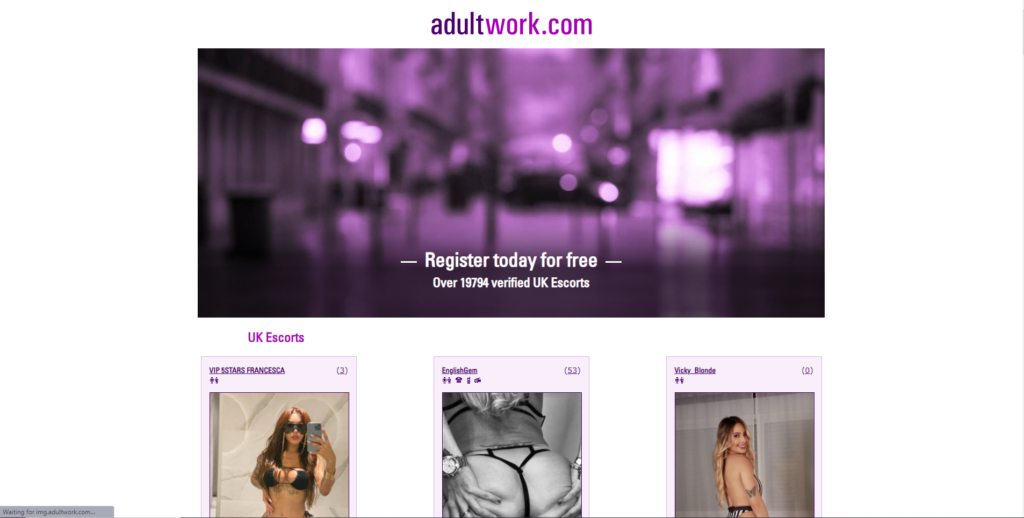
Online platforms have become central to the modern structure of adult services. These websites function primarily as advertising directories where individuals can create profiles and communicate with potential clients. Rather than acting as agencies, most platforms simply provide the digital infrastructure that connects people.
Professionals often use these platforms to showcase their services through detailed profiles. These listings may include photographs, personal introductions, and guidelines for communication. By presenting this information clearly, individuals can establish expectations before any interaction takes place.
The platform itself typically acts as a marketplace where clients browse listings and contact individuals directly. This system allows professionals to decide which enquiries to respond to and which bookings to accept.
The availability of digital tools has therefore created an environment where many professionals manage their work independently. Communication, scheduling, and profile management can all be handled through the platform’s messaging systems and personal dashboards.
This structure reflects the increasing influence of technology on service industries across the modern economy.
Professional Independence and Self-Management
One of the most significant aspects of modern adult services is the level of independence many professionals maintain. Instead of relying entirely on agencies to arrange work, individuals often operate as self-managed professionals who control their schedules and working conditions.
Managing a personal profile allows individuals to present their services according to their own preferences. Professionals can decide which services they offer, how often they work, and how they communicate with clients. This flexibility often attracts individuals who value autonomy in their professional lives.
Self-management also encourages a sense of responsibility and organisation. Professionals frequently update their profiles, maintain availability schedules, and respond to enquiries in a timely and respectful manner. These practices contribute to building credibility and trust over time.
Many individuals approach their work in a way similar to freelancers in other industries. They manage bookings, maintain communication standards, and develop professional routines that support their work.
This independence illustrates how the industry has adapted to modern digital working models.
Communication and Professional Standards
Communication plays a vital role in ensuring positive interactions within the adult services sector. Because arrangements are often made privately, clear conversations about expectations help both professionals and clients feel comfortable with the process.
Online messaging systems allow individuals to exchange information before arranging meetings. Professionals often explain availability, preferred booking procedures, and communication guidelines through these conversations.
Many professionals also include detailed instructions within their profiles. These guidelines may outline how clients should introduce themselves when making enquiries or provide information about booking procedures. Such clarity helps maintain a professional atmosphere and reduces misunderstandings.
Clients who follow these guidelines demonstrate respect for the professional’s time and boundaries. In return, professionals can respond more efficiently and organise arrangements more smoothly.
By prioritising clear communication, modern platforms help create an environment where interactions are based on transparency and mutual understanding.
Personal Branding and Professional Presentation
Personal branding has become an important aspect of modern adult services. Many professionals treat their online profiles as a form of personal portfolio that reflects their personality, style, and approach to companionship.
Photographs, profile descriptions, and communication style all contribute to how individuals present themselves online. Professionals often take time to craft introductions that highlight their interests and expectations while maintaining a respectful tone.
Personal branding also allows individuals to differentiate themselves in a competitive marketplace. Some professionals focus on elegance and sophistication, while others highlight social companionship or relaxed conversation. These distinctions help potential clients find services that align with their preferences.
Maintaining a professional image also involves consistent communication and respectful interaction with enquiries. Responding clearly and courteously helps establish credibility and encourages positive experiences.
Through thoughtful presentation and professionalism, many individuals demonstrate that the adult services sector often operates with structured standards similar to other service-based industries.
Privacy, Safety, and Responsible Interaction
Privacy and safety remain important priorities for individuals involved in adult services. Because interactions often occur in private settings, professionals typically take steps to ensure their well-being and maintain control over their working environment.
Initial communication with potential clients is a common practice before agreeing to meet. These conversations allow professionals to confirm details and ensure that expectations align with their boundaries. Screening enquiries helps create a safer and more comfortable environment.
Personal boundaries are another key element of responsible interaction. Professionals clearly define what services they offer, how bookings are arranged, and where meetings may take place. Outlining these boundaries within profiles helps prevent misunderstandings.
Discretion is also valued by both professionals and clients. Many individuals prefer to keep their personal lives separate from their professional activities, and digital platforms often support this by offering secure messaging systems.
These practices highlight how awareness, communication, and professionalism shape the modern structure of adult services.
Conclusion
The modern landscape of adult work reflects the influence of technology, independence, and evolving social attitudes on service-based industries. What was once largely managed through agencies or informal networks has gradually moved into digital environments where professionals can manage their services independently. Online platforms now provide spaces where individuals create profiles, communicate directly with potential clients, and organise bookings according to their own schedules and preferences. This shift has introduced greater flexibility and transparency, allowing professionals to define their boundaries while maintaining control over their professional presentation. Clear communication, personal branding, and respectful interaction have become essential elements that support positive experiences within the industry. At the same time, privacy and safety remain important priorities, encouraging individuals to approach interactions thoughtfully and responsibly. By understanding the role of digital platforms and independent professionals, it becomes easier to recognise how adult services operate within the broader context of today’s gig economy. Rather than viewing the sector through outdated assumptions, a balanced perspective highlights the professionalism, organisation, and personal autonomy that increasingly define the modern structure of adult work in the digital age.


